
Product Blessing Rituals Explained: From Bracelets to Spiritual Gifts
Product blessing rituals place a bracelet, crystal, incense bead accessory, amulet, blessing card, or gift set within a carefully arranged ceremonial context. This guide explains what the practice means, how a request may be prepared, which products are commonly included, what customers may receive, and how individuals and business partners can present the service respectfully without promising guaranteed outcomes.
A meaningful object often carries more than material value. A bracelet can mark a birthday or career transition. A crystal can become part of a reflective daily routine. Incense beads may connect fragrance, craftsmanship, and cultural memory. An amulet-inspired pendant or blessing card may be chosen as a symbolic gift. A product blessing ritual adds a ceremonial layer to that object by connecting it with a name, occasion, intention, offering, recitation, or documented moment of dedication.
The term does not describe one universal ceremony used by every Taoist community. Formats vary according to practitioner, lineage, setting, product type, service level, and occasion. On Yiling Cultural Partners, the dedicated Product Blessing Ritual service page explains the practical inquiry and delivery model, while this article answers broader educational questions. Readers who need the wider ceremonial background can also review What Is a Taoist Blessing Ritual?
What Is a Product Blessing Ritual?
Practical definition: A product blessing ritual is a ceremonial service in which a physical object or product batch is intentionally included in a prepared ritual setting. The service may involve an altar arrangement, incense or lamp offering, recitation, presentation of names or wishes, symbolic dedication, and a formal closing. The resulting object is offered as a cultural, devotional, reflective, or spiritual gift—not as a product with scientifically verified supernatural powers.
Product blessing is different from merely placing spiritual language on packaging. In a genuine service workflow, the provider first confirms what the object is, who it is for, why the request is being made, how personal information may be used, and what completion materials are expected. The object is then handled within the agreed ceremonial format. A one-on-one bracelet request may be personalized with a recipient name. A business order may involve a defined product batch, campaign theme, and brandable card system.
The phrase “blessed product” is therefore best understood as a description of ceremonial participation and meaning. It may communicate that an item was included in a blessing arrangement, that a wish or name was respectfully presented, or that the gift was prepared with focused intention. It should not be used to imply guaranteed wealth, forced reconciliation, medical healing, legal protection, investment success, or immunity from ordinary risk.
Meaning and Cultural Context
In Chinese religious and cultural settings, objects can become carriers of memory, identity, gratitude, relationship, and ritual participation. A family may preserve an object connected with an important occasion. A traveler may bring home a temple-related keepsake. A gift giver may select a bracelet whose color or material suits the recipient’s personality. A retailer may pair a product with a story about seasonal renewal, the Five Elements, the Chinese Zodiac, or traditional symbolism.
A Taoist-inspired product blessing organizes this meaning through ceremony. The purpose is not to manufacture an invisible commodity that can be measured, stored, or guaranteed. Rather, the ceremony formally acknowledges the object and the intention associated with it. Incense, lamps, recitation, bows, offerings, written names, and ordered movement may help distinguish the ritual moment from ordinary commercial handling.
Because Taoist traditions are diverse, no article should claim that every product blessing must use the same scripture, gesture, altar layout, number of incense sticks, or duration. A simple personal service and a formal dedicated ceremony may differ significantly. The provider should describe its own cultural background and service scope without claiming to represent all Taoist lineages. Yiling Cultural Partners presents its work as Taoist-inspired cultural service informed by Quanzhen Longmen cultural transmission, with private confirmation before personalized rituals are scheduled.
What a Product Blessing Does—and Does Not—Mean
It Can Mark an Intention
The ritual can connect an object with gratitude, remembrance, study, career reflection, family harmony, a new beginning, or another constructive theme. The object can then serve as a personal reminder of that intention.
It Can Enrich a Gift
A recipient may value the preparation, personalization, card wording, cultural story, and ceremonial documentation. This creates emotional value beyond the item’s material specifications.
It Can Support Cultural Storytelling
A responsible product page can explain materials, craftsmanship, ritual participation, symbolic themes, and gifting context without presenting folklore as verified medical or financial fact.
It Cannot Guarantee a Result
No ethical provider should promise that a blessed bracelet, crystal, amulet, card, or gift set will cure illness, prevent all harm, win a lawsuit, secure a visa, produce investment returns, or force romantic feelings.
This boundary matters for customer trust, advertising compliance, payment disputes, and long-term brand credibility. Absolute claims may create immediate attention, but they also attract vulnerable customers, unrealistic expectations, platform restrictions, and reputational risk. Clear language such as “symbolic,” “cultural,” “reflective,” “spiritual gifting,” “traditional inspiration,” and “personal intention” provides a more accurate foundation.
How Does a Product Blessing Ritual Work?
The precise liturgy belongs to the practitioner and tradition. The following sequence describes a practical international service workflow rather than a universal Taoist rule.
Product and Request Review
The provider confirms the object, material, quantity, owner or recipient, occasion, requested theme, preferred date, privacy needs, and delivery format. Product images or batch references may be required. Requests involving coercion, guaranteed financial return, medical treatment, or harm should be declined or rewritten.
Selection of the Service Level
A single bracelet may fit a basic or one-on-one product blessing. A high-value gift set may need customized wording and richer media. A store launch or seasonal campaign may require a dedicated or bulk format. The service level should reflect preparation and deliverables, not claims about “stronger guaranteed effects.”
Identification and Preparation
The item or batch is labeled so that products, customer names, and delivery materials remain correctly matched. Packaging may be removed when appropriate, and the object is inspected for suitability and safe placement. Business orders need a documented chain from intake to ritual inclusion and final fulfillment.
Preparation of Ceremonial Space
The altar or ritual area is cleaned and arranged. Depending on the service, this may include incense, lamps, water, fruit, flowers, ritual vessels, scriptures, name cards, written petitions, or other appropriate elements. The product is placed respectfully rather than used as a decorative prop for staged advertising.
Opening and Presentation
The practitioner opens the service according to the chosen format and presents the product, name, wish theme, or occasion. Some arrangements use a written name-and-wish card; others rely primarily on recitation and symbolic offering. The customer does not need to disclose unnecessary private details.
Recitation and Ritual Actions
The central portion may involve scripture recitation, chanting, incense or lamp offerings, bows, gestures, bells, or prescribed movement. A short social-media clip may show only one moment and should not be mistaken for the complete ceremonial sequence.
Dedication and Closing
The service concludes with dedication, gratitude, closing recitations, and restoration of the space. A formal close distinguishes a complete ritual from an improvised product photo session.
Documentation, Packaging, and Delivery
The provider prepares the agreed completion note, blessing card, product meaning text, photographs, short video, or white-label file. Physical items are repacked and shipped when the service includes product handling. Media documents participation; it does not prove a guaranteed supernatural result.
Which Products Can Be Included?
Suitability depends on material, size, safety, ceremonial setting, shipping, and provider policy. Yiling Cultural Partners’ Spiritual Products collection includes bracelets, incense beads, crystal products, amulets, blessing cards, and gift-set components that can support personal or B2B programs.
Bracelets
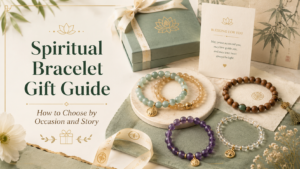
Bracelets are among the most common product blessing requests because they are wearable, giftable, easy to personalize, and associated with daily routines. A bracelet blessing ritual may be connected with a birthday, graduation, career transition, relationship milestone, seasonal renewal, or general wish for steadiness. The site’s Spiritual Bracelets category can be paired with product meaning cards, custom packaging, and optional blessing services.
Product copy should separate factual details from symbolism. Be precise about bead material, diameter, bracelet size, metal components, elastic or cord construction, and care. Then present symbolic themes as traditional associations or gifting ideas. Avoid writing “this bracelet will attract money” when “traditionally associated with prosperity symbolism and confident decision-making” is more accurate.
Crystal Bracelets and Crystal Gifts
Crystal products are often organized by gemstone, color, visual character, Five Elements theme, zodiac gifting, or personal intention. The Crystal Bracelets collection supports gift, retail, and wholesale use. A blessing ritual can add an occasion-specific name card or dedication, but it does not convert crystal folklore into medical evidence.
Responsible listings should never advise customers to replace healthcare with a stone or claim that a crystal can diagnose, treat, or cure a condition. Instead, describe the object as a tactile reminder, symbolic accessory, decorative item, cultural gift, or part of a personal reflective practice.
Incense Bead Bracelets
Incense bead bracelets may be valued for fragrance, texture, craft, meditation associations, or cultural gifting. Product blessing can connect the bracelet with an incense offering or ceremonial presentation. Sellers should provide accurate material and scent information, storage guidance, and allergy or sensitivity cautions where relevant.
Natural fragrance changes over time and with wear. This should be described as a material characteristic rather than interpreted as evidence that a blessing has become stronger or weaker.
Amulets and Talisman-Inspired Products
The term “amulet” is widely understood internationally, but traditional symbols require careful explanation. The site’s Amulets category presents such products as cultural and symbolic gifts. A ritual may acknowledge the item and recipient, but the listing should not guarantee complete protection from accident, illness, legal trouble, or financial loss.
Sellers should distinguish a commercially produced, talisman-inspired pendant from a lineage-specific ritual document or restricted sacred object. Do not invent ordination, temple, or consecration claims to increase perceived value.
Blessing Cards and Product Meaning Cards
A Blessing Card can explain the gift theme, recipient name, symbolic message, product material, ritual date, or completion wording. Cards are useful because they make the service understandable without requiring the recipient to interpret a photograph or unfamiliar symbol.
For white-label programs, cards may use the retailer’s visual identity while still describing the cultural source honestly. The best cards avoid claims such as “guaranteed protection” and instead use language like “prepared as a symbolic wish for steadiness, gratitude, and thoughtful action.”
Spiritual Gift Sets
A gift set can combine a bracelet, card, small amulet, decorative object, incense-related item, or personalized note. The Blessed Gift Sets service is suitable for birthdays, Chinese New Year, study encouragement, career milestones, family occasions, store openings, and gratitude gifts.
Gift sets benefit from consistent storytelling. The product materials, symbolic theme, ritual wording, packaging, and occasion should support one coherent message rather than a confusing mixture of unrelated claims.
Crystal Décor and Larger Objects
Crystal trees, spheres, plaques, and decorative items may also be included if the ritual space and handling process can accommodate them. Larger, fragile, or high-value products require special packing, insurance, labeling, and photography rules. For B2B batches, it may be more practical to use representative samples or a defined group arrangement, provided this is explained transparently to the partner.
How Names, Wishes, and Personalization Are Used
Personalization gives the ceremony a clear subject, but more personal information does not automatically create a better service. The provider should collect only what is necessary. A typical request may include the recipient’s preferred name, product type, occasion, general wish theme, country, language, desired completion materials, and consent for names to appear in media.
Constructive intention wording is specific enough to be meaningful but does not demand control over events or people. Examples include:
- “A birthday intention for gratitude, steadiness, and wise choices in the year ahead.”
- “A supportive study gift marking consistent effort and confidence before examinations.”
- “A career-transition gift expressing courage, patience, and thoughtful decision-making.”
- “A family gift centered on appreciation, respectful communication, and shared well-being.”
- “A store-opening gift recognizing responsibility, service, and sustainable business growth.”
Avoid wording that asks the ritual to make a named person fall in love, compel a spouse to return, cause a competitor to fail, guarantee a profitable investment, or cure a diagnosed condition. A provider can often rewrite such requests into non-coercive themes such as self-reflection, clear communication, resilience, or responsible action. For simple name-based services, see Name & Wish Blessing.
When Are Product Blessing Rituals Used for Gifts?
Birthdays and New Chapters
A personalized bracelet or card can mark a birthday, relocation, graduation, retirement, or career change. The message can emphasize gratitude and intentional action rather than prediction.
Study and Examination Support
A gift may recognize discipline, calm preparation, and confidence. It should never be marketed as a substitute for study or as a guaranteed examination result.
Family and Relationship Gifts
A symbolic item can express appreciation, patience, and hopes for respectful communication. It should not be sold as a mechanism for controlling affection or forcing reconciliation.
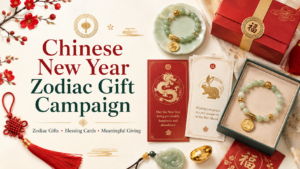
Chinese New Year and Zodiac Themes
Seasonal products can use renewal, gratitude, zodiac-year, and prosperity symbolism. Claims should remain cultural and aspirational rather than guaranteed forecasts.
Business Openings and Launches
A gift set can commemorate a new shop, office, product collection, or partnership. Appropriate themes include responsibility, service, collaboration, and sustainable progress.
Personal Reflection and Gratitude
Not every gift needs a crisis or prediction. A product blessing can simply mark appreciation, a reflective practice, or a meaningful moment between giver and recipient.
Request a Product Blessing for a Bracelet, Crystal, Amulet, or Gift Set
Share the product type, quantity, recipient or customer name, occasion, preferred theme, delivery materials, timing, and privacy requirements. The service level and payment instructions are confirmed manually after review.
View Product Blessing Service Submit a Private InquiryWhat Can Be Included in the Delivery Package?
A customer is not only purchasing a physical object. They may also be receiving a personalized service and digital documentation. Deliverables must therefore be defined before payment, especially when the ritual is arranged remotely.
| Delivery Item | Purpose | Important Limit |
|---|---|---|
| Completion Note | Confirms the service theme, product, date, and completion status. | Should document service delivery, not certify a guaranteed outcome. |
| Blessing Card | Provides recipient-facing wording, symbolic meaning, and gift context. | Must avoid medical, legal, financial, or coercive promises. |
| Product Meaning Card | Explains materials, traditional associations, care, and gifting ideas. | Separate factual product details from cultural interpretation. |
| Ritual Photograph | Shows the item, altar arrangement, name card, or completion scene when permitted. | Names and faces require consent; photographs should not interrupt the ceremony. |
| Short Video Clip | Offers a brief view of recitation, incense, product presentation, or completion. | A clip is documentation, not proof of supernatural efficacy. |
| White-Label File | Allows a partner to deliver branded cards, PDFs, or customer messages. | Branding must not conceal the service source or invent false affiliations. |
Privacy settings should state whether the customer’s full name, initials, order number, or no identifying information will appear. A business partner should not send complete customer records when a first name and order reference are sufficient. Media-retention periods and permission for public marketing use should also be separated from private delivery consent.
White-Label and Bulk Product Blessing for Businesses
Product blessing can function as a premium add-on for crystal stores, jewelry brands, spiritual shops, gift companies, live sellers, subscription communities, and regional distributors. The business value comes from organized storytelling, personalization, and service design—not from exaggerated supernatural claims.
A retailer might add an optional bracelet blessing at checkout after manual confirmation. A live seller might offer a limited festival package. A crystal shop could combine a gemstone bracelet with a meaning card and personalized completion note. A private community might prepare a monthly reflective theme. A gift company may develop an opening or milestone set for corporate customers.
Yiling Cultural Partners’ White-Label Blessing Ritual program supports brandable cards, completion wording, product meaning text, photographs, videos, and customer service scripts. Businesses building their own collections can also review the Private Label Bracelet Program and Spiritual Product Wholesale.
A Practical B2B Workflow
- Define the offer: Select products, customer themes, language, delivery files, retail price structure, and prohibited claims.
- Test sample orders: Confirm card design, media quality, customer instructions, turnaround time, and privacy handling before scaling.
- Create an intake template: Collect only necessary names, themes, product codes, consent fields, and delivery preferences.
- Set batch controls: Use order numbers, product labels, and reconciliation records to prevent customer-product mismatches.
- Approve compliant copy: Standardize product descriptions, FAQs, ads, customer service scripts, and disclaimers.
- Schedule the service: Allow time for preparation, ritual arrangement, media production, card generation, and shipping.
- Deliver and support: Send the correct files and products, answer questions, and maintain a documented issue-resolution process.
When Bulk Service Is Appropriate
A Bulk Ritual Service may be suitable for product launches, festival campaigns, group-name submissions, membership gifts, retail batches, and reseller programs. “Bulk” should describe operational scale, not a claim that every item receives an identical one-on-one ceremony. The partner must understand whether products are handled individually, by defined batch, by representative sample, or through a group arrangement.
Clear scope prevents disputes. The quote should state quantity, personalization level, ritual format, date range, media, brand files, product handling, shipping responsibility, replacement policy, and whether customer names are included. Partner pricing is normally confirmed privately because these variables change the workload substantially.
How to Choose a Responsible Product Blessing Provider
A trustworthy provider should make the service easier to understand, not more mysterious. Before ordering, ask the following questions:
- What cultural or ritual background informs the service?
- Is the format a simple offering, one-on-one product ritual, formal ceremony, or batch arrangement?
- Will the actual product be present, or will the service use a product code, representative item, or customer-name list?
- What names, dates, and wish information are required?
- Which photographs, videos, cards, or notes are included?
- Who may see customer information, and how long is it retained?
- What happens if a physical product is damaged, delayed, or mismatched?
- Does the provider clearly reject guaranteed medical, legal, financial, romantic, or life-outcome claims?
Red flags include urgent claims that a customer is cursed, pressure to purchase repeated rituals, promises of fixed investment returns, claims that a bracelet can cure disease, fabricated temple affiliations, copied sacred imagery with no explanation, and refusal to define deliverables. A responsible provider may discuss symbolism and tradition while remaining honest about limits.
The site’s Service Policy explains the private-inquiry model, personalization, preparation, product handling, and delivery scope. The Disclaimer states that rituals and products do not guarantee financial, romantic, medical, legal, psychological, or other life outcomes.
How Should You Use or Care for a Blessed Product?
There is no universal rule that every blessed object must be worn continuously, kept in a specific direction, or replaced on a fixed schedule. Follow the material-care instructions and any practitioner guidance that was actually provided. Do not invent restrictive rules that make the recipient anxious.
For bracelets, avoid excessive stretching, chemicals, prolonged water exposure, high heat, and impact unless the product specifications state otherwise. Store incense beads away from strong competing fragrances and moisture. Protect crystals and decorative objects from falls and sudden temperature changes. Keep printed cards dry and out of direct sunlight if they are intended for long-term display.
The object may be used as a reminder to pause, act thoughtfully, practice gratitude, or remember the person who gave it. If it breaks or becomes worn, this normally reflects material use and should not automatically be interpreted as a prediction or sign of spiritual danger. Repair, replace, recycle, or retire the item respectfully according to its material and personal significance.
Frequently Asked Questions About Product Blessing Rituals
What is the purpose of a product blessing ritual?
Its purpose is to place a physical item within a structured ceremonial context connected with a name, intention, occasion, offering, or dedication. The service can add cultural meaning, personal reflection, and gift value without guaranteeing a specific life result.
Can any bracelet be included in a blessing ritual?
Many crystal, incense bead, wooden bead, cord, metal, and mixed-material bracelets may be suitable, but the provider should review size, material, value, packaging, safety, and shipping requirements before confirming the service.
Does a blessed bracelet guarantee good luck or wealth?
No. It may represent prosperity symbolism, confidence, gratitude, or a personal intention, but it cannot guarantee wealth, employment, investment returns, business success, or protection from loss.
Can crystals be blessed?
Yes, crystals and crystal jewelry are common requests. The ritual adds ceremonial and gifting context; it does not establish medical efficacy or turn traditional gemstone associations into scientific facts.
Can I request a product blessing for someone else?
Yes, it may be prepared as a gift when the intention is respectful. Requests designed to control another person’s emotions, decisions, finances, medical choices, or legal behavior should not be accepted.
What information do I need to provide?
Usually the product type, quantity, recipient or customer name, occasion, general wish theme, preferred date, delivery format, country, language, and privacy preference. Only necessary information should be collected.
Will I receive photos or a video?
This depends on the selected service level, ritual setting, practitioner permission, and privacy requirements. Media should be confirmed before payment and should be understood as documentation of service participation.
How long does a product blessing take?
There is no universal duration. Preparation, scheduling, ritual format, product quantity, personalization, media production, and shipping all affect turnaround. Duration alone is not a reliable measure of ceremonial quality.
Is a product blessing the same as a temple incense offering?
They may overlap, but they are not necessarily identical. A temple incense offering may focus on presenting a name or wish, while a product blessing specifically includes an object or batch. Review the Temple Incense Offering page for that service type.
Can a business use its own brand on blessing cards?
Yes, under an agreed white-label program. Brand names, design, customer wording, and product meaning cards may be customized, but the partner should not invent false temple affiliations or make prohibited outcome guarantees.
Can products be blessed in bulk?
Yes, when the provider and partner define whether the arrangement is individual, batch-based, representative, or group-based. Quantity, labeling, names, media, timing, and fulfillment should be documented before the campaign begins.
What should I write on a blessing card?
Use constructive, non-coercive language. For example: “Prepared as a symbolic gift for gratitude, steadiness, and thoughtful choices in the year ahead.” Avoid medical promises, guaranteed financial results, or claims that the item controls another person.
What happens if the product breaks?
Breakage usually reflects material wear, impact, moisture, tension, or manufacturing factors. Follow the warranty and care policy. It should not automatically be interpreted as a curse, prediction, or evidence of spiritual danger.
Related Guides, Products, and Services
Build a Personal Gift or Branded Product Blessing Program
Individual clients can request a bracelet, crystal, amulet, or gift-set service. Business partners can request sample orders, white-label cards, private-label bracelets, wholesale products, or bulk ritual support. Final scope, pricing, timing, and delivery are confirmed privately.
Contact Yiling Cultural Partners Request a Partner Plan