
What Is a Taoist Blessing Ritual? Meaning, Process, and Cultural Context
A Taoist blessing ritual is not a single universal ceremony. It is a structured cultural and religious practice through which a trained practitioner may present an intention, make respectful offerings, recite liturgical texts, and create a ceremonial setting for reflection, gratitude, remembrance, or a meaningful life occasion.
“`People searching “what is a Taoist blessing ritual?” are often trying to understand more than a sequence of ceremonial actions. They may want to know what the ritual means, who performs it, why incense or written names may be used, what happens before and after the ceremony, and whether an online request can be handled respectfully. The answer requires cultural context because Taoist ritual traditions are diverse, historically layered, and shaped by lineage, temple, region, occasion, and community.
“`This guide explains the subject in clear international English while preserving an important distinction: Taoist blessing rituals should be described as cultural, symbolic, devotional, and reflective practices rather than as guaranteed mechanisms for changing wealth, health, relationships, legal matters, or fate. For readers exploring a personal service, the Personal Blessing Ritual page explains private request options. Business owners can review the White-Label Blessing Ritual service for customer-facing cultural programs.
What Is a Taoist Blessing Ritual?
Working definition: A Taoist blessing ritual is a formally arranged ceremonial practice in which a Taoist practitioner uses lineage-based liturgy, offerings, recitation, symbolic actions, and a dedicated ritual space to present an intention or mark an occasion within a Taoist cultural and devotional framework.
The English phrase “Taoist blessing ritual” is a broad, audience-friendly description. It does not identify one fixed rite used by every Taoist community. Scholarly writing often uses the spelling Daoist, while many English-speaking consumers search for Taoist. Both refer to traditions associated with the Chinese term Dao, commonly translated as “the Way.”
Within lived Taoist traditions, ceremonial practice can range from a modest incense offering or name-and-wish submission to a more formal service involving an altar, scripture recitation, ritual music, lamps, written documents, invocations, bows, hand gestures, and prescribed movements. Some ceremonies are held for a person or family. Others are connected with festivals, a new home, a business opening, a product batch, a community, ancestors, or the remembrance of a companion animal.
Because terminology varies, it is better to ask what the ceremony is for, who is conducting it, what tradition informs it, and what materials will be provided than to assume every “blessing ritual” follows the same script. The site’s main Blessing Ritual service hub separates product blessing, temple incense offering, formal ceremonies, festival services, name-and-wish blessing, and memorial requests so that readers can choose a suitable path.
Taoist Cultural Context: Why There Is No Single Universal Format
Taoism is a complex family of Chinese religious, philosophical, contemplative, medical, communal, and ritual traditions. It has developed over many centuries rather than beginning as one centralized institution with one worldwide liturgy. This is why a responsible explanation must avoid presenting one modern ceremony as the only “authentic” form.
Different Taoist lineages and communities may organize ritual authority, priestly training, scriptures, registers, altar arrangements, music, vestments, and local customs differently. The two names most international readers encounter are the Zhengyi tradition and the Quanzhen tradition, although each includes historical and regional complexity. Local temple practice may also interact with Chinese festival customs, family remembrance, community worship, and local religious culture.
Historically, major Taoist rites have included forms of purification, offering, petition, thanksgiving, communal renewal, protection, repentance, merit dedication, and remembrance. Some ritual systems use formal documents that symbolically present a petition through a celestial administrative model. Others emphasize scripture recitation, meditation, inner cultivation, repentance, or devotional offerings. A contemporary personal blessing service may be much smaller than a traditional community-wide ceremony, yet it can still use a carefully prepared altar and recognized ritual vocabulary.
Yiling Cultural Partners describes its services as Taoist-inspired cultural offerings informed by Quanzhen Longmen cultural transmission. That positioning is important: an international service page should state its own background clearly without implying that it represents all Taoist temples or all branches of Taoism.
What Does a Taoist Blessing Ritual Mean?
The meaning of a blessing ritual is created through the relationship between intention, ritual order, symbolic materials, practitioner training, and the participant’s cultural or devotional understanding. It is not simply a decorative performance. Its structure separates ordinary time from ceremonial time and gives focused expression to a wish, gratitude, transition, remembrance, or act of respect.
Intention and Attention
A participant may submit a name, occasion, product, or carefully worded wish. The ritual provides a disciplined setting in which that intention is acknowledged rather than casually stated.
Respect and Gratitude
Offerings and bows can express respect, gratitude, humility, and remembrance. They should not be reduced to transactions in which an offering supposedly purchases a guaranteed result.
Order and Alignment
Taoist ritual often uses ordered space, timing, recitation, direction, and movement. Symbolically, this can represent harmony between the participant, community, ancestors, nature, and a wider sacred order.
Transition and Commemoration
Ceremony can mark a beginning, ending, anniversary, birthday, new home, store opening, seasonal festival, family milestone, or memorial occasion.
For some participants, the ritual is explicitly religious. For others, it is a cultural experience, a family tradition, a meaningful gift, or a reflective practice. A responsible provider does not force one interpretation on every client. Instead, the provider clarifies the requested theme, explains the service boundary, and avoids claims that the ceremony can guarantee financial success, cure illness, control another person, eliminate all future difficulty, or replace professional advice.
Common Types of Taoist Blessing Ritual Requests
Service names used online are often simplified for international readers. The following categories help explain the purpose of a request without claiming that every lineage uses identical terminology.
1. Personal Name and Wish Blessing
A person submits a name and a respectful intention connected with peace, study, family harmony, career reflection, a birthday, a new stage of life, or general well-being. The Name & Wish Blessing page is designed as an accessible entry point for private requests and gift-related services.
2. Temple Incense Offering
Incense may function as an offering, a sign of reverence, and a sensory marker of ceremonial space. An incense offering service may be requested for a personal intention, festival, annual theme, product gift, or partner program. It should be presented as a respectful offering arrangement, not as a guaranteed exchange for a specific outcome.
3. Product Blessing Ritual
Bracelets, incense beads, crystals, amulets, blessing cards, and gift sets may be included in a ceremonial service to add cultural meaning, gifting context, or a documented story. Businesses can review the Product Blessing Ritual page for individual items and batches. Product descriptions should not imply that a blessed object can medically heal, legally protect, or guarantee wealth or romantic results.
4. Formal Blessing Ceremony
A more formal request may use a fuller altar arrangement, expanded recitation, dedicated timing, custom wording, and richer completion materials. These services may be suitable for an important family occasion, new home, business opening, product launch, or partner campaign. See the Formal Blessing Ceremony page for the structured service path.
5. Festival Blessing Ritual
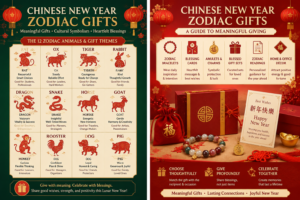
Seasonal services may be arranged around Chinese New Year, a birthday, a zodiac-year theme, a store opening, or another culturally relevant date. Festival rituals often connect individual intentions with a shared calendar and communal sense of renewal. The Festival Blessing Ritual page explains personal and campaign options.
6. Memorial and Remembrance Ritual
Memorial requests require especially gentle language. They may involve ancestral remembrance, an anniversary, a farewell message, or pet memorial reflection. Providers should avoid exploiting grief, predicting the condition of the deceased, or pressuring families into repeated purchases.
What Happens During a Taoist Blessing Ritual?
The exact sequence depends on the lineage, ritual scale, request, temple, and practitioner. The following process is a general educational model for understanding how a contemporary personal or product-related service may be organized.
Request Review and Intention Clarification
The provider reviews the participant’s name, request type, occasion, preferred timing, product details, privacy needs, and delivery expectations. Ambiguous or harmful requests should be rewritten or declined. A ritual should not be sold as a way to control another person, obtain guaranteed investment returns, cure a disease, win litigation, or remove all risk.
Selection of an Appropriate Service Format
A simple incense offering, name submission, product blessing, formal ceremony, festival service, or memorial format is selected. The practitioner determines which liturgical and ceremonial elements are suitable. Larger services may require advance scheduling and additional preparation.
Preparation of the Ritual Space
The altar or ceremonial area is cleaned and arranged. Depending on the service, it may include incense, lamps, water, flowers, fruit, ritual vessels, scriptures, tablets, written petitions, name slips, or the products being included. Arrangement is purposeful rather than random decoration.
Purification and Opening
Many formal traditions begin by establishing ceremonial order through purification, bows, recitation, music, bells, or prescribed movements. The practitioner enters the ritual role and marks the beginning of the service.
Presentation of Names, Intentions, or Offerings
The relevant name, wish theme, memorial wording, product batch, or occasion is presented in the manner appropriate to the ritual. Some services use a written document or name card; others rely primarily on recitation and offerings.
Scripture Recitation and Ceremonial Actions
The central portion may include chanting, invocation, scripture recitation, bows, hand gestures, incense presentation, lamp offerings, ritual movement, or music. The sequence is determined by the practitioner’s tradition and the ceremony’s purpose.
Dedication, Thanksgiving, and Closing
The ceremony concludes with gratitude, dedication, closing recitations, respectful withdrawal, and restoration of ordinary space. A formal ending matters because ritual is not merely stopped when a camera recording is complete.
Completion Materials and Follow-Up
The participant may receive a completion note, blessing card wording, photographs, a short video, product meaning text, or white-label files. These materials document participation; they should not be framed as proof that a guaranteed supernatural result has occurred.
Common Elements and Their Cultural Functions
Objects used in Taoist ceremonies can carry liturgical, symbolic, practical, visual, and historical functions. Their precise interpretation varies, so the descriptions below are intentionally general.
Altar and Ordered Space
The altar establishes a focal point and organizes the relationship between practitioner, offerings, sacred images or tablets, and ritual documents. Placement may reflect a specific liturgical system rather than personal decoration.
Incense
Incense is commonly associated with reverence, offering, purification, and communication within Chinese religious settings. The rising smoke also creates a visible and sensory transition from everyday activity to ceremony. More incense does not automatically mean a stronger or more effective ritual.
Lamps or Candles
Light can symbolize clarity, presence, continuity, and ceremonial illumination. Some Taoist rites have highly developed lamp traditions, while a smaller contemporary service may use a simpler arrangement.
Water, Tea, Fruit, Flowers, and Other Offerings
Offerings express hospitality, respect, gratitude, and ceremonial completeness. Their meaning depends on context. Responsible practice avoids wasteful spectacle and explains that the offering is not a commercial payment to a deity for a guaranteed result.
Scriptures, Recitation, and Music
Recitation gives the ceremony a textual and vocal structure. Bells, wooden instruments, percussion, and liturgical melodies may regulate rhythm, signal transitions, and support collective participation. A short video clip rarely communicates the full role of sound within a complete ritual.
Written Names, Petitions, and Seals
Some Taoist ritual systems use written documents that present names, circumstances, gratitude, requests, or dedications in a formal style. This administrative language reflects historical cosmological models and should not be imitated casually without training.
Vestments, Gestures, and Movement
Robes, headwear, tablets, hand gestures, pacing patterns, bows, and directional movements can identify ritual roles and encode liturgical order. They are not costumes or generic visual effects. Photography should be permitted by the practitioner and should not interfere with the ceremony.
Taoist Blessing Ritual vs. Destiny Reading, Product Blessing, and Memorial Rite
International customers often combine several services under the word “spiritual.” Clear differentiation improves customer understanding and reduces misleading expectations.
| Service Type | Primary Function | Typical Inputs | Responsible Positioning |
|---|---|---|---|
| Blessing Ritual | Ceremonial presentation of an intention, occasion, or offering | Name, theme, date, occasion, privacy preference | Cultural, symbolic, devotional, and reflective experience |
| Destiny Reading | Interpretive report based on a traditional system such as Bazi, Zodiac, or Five Elements | Birth information and specific questions | Traditional cultural interpretation and self-reflection, not guaranteed prediction |
| Product Blessing | Includes an object or batch within a ceremonial service | Product type, quantity, brand needs, customer wording | Symbolic meaning and gifting context, not medical or financial efficacy |
| Memorial Rite | Remembrance, farewell, gratitude, or dedication | Name, relationship, memorial message, date | Gentle commemoration without exploiting grief |
A client who wants interpretation rather than ceremony may be better served by the site’s Destiny Reading section. A client who wants an object included should select product blessing. A client dealing with bereavement should receive memorial-specific wording and privacy care.
How Should a Participant Prepare?
Preparation does not require adopting a religious identity or performing unfamiliar actions without explanation. It means providing accurate information, choosing respectful wording, and understanding the service boundary.
- Use the correct name: Confirm spelling, language, and whether a full legal name, preferred name, Chinese name, or initials should be used.
- State one clear theme: “Gratitude and steadiness during a career transition” is clearer and safer than a demand for guaranteed promotion or profit.
- Explain the occasion: Mention a birthday, opening, examination period, new home, product launch, anniversary, or memorial date when relevant.
- Choose privacy preferences: Confirm whether names may appear in photographs, videos, printed cards, or partner-facing files.
- Ask what will be delivered: Clarify whether the service includes a completion note, photographs, video, card wording, product return, or branded documents.
- Respect timing: A requested date may need adjustment due to practitioner availability, temple arrangements, shipping, festivals, or the scale of the ceremony.
Participants do not need to exaggerate personal hardship to make a request more “powerful.” Ethical service design avoids fear-based upselling and keeps sensitive information limited to what is actually required.
Can a Taoist Blessing Ritual Be Requested Online?
Yes, a service can be requested and documented online, but the online portion is usually the communication and delivery channel rather than the entire meaning of the ceremony. A practitioner may conduct the ritual at a temple, altar, studio, or other appropriate space while the participant submits information remotely.
A well-structured remote process normally includes manual review, written confirmation of the request, privacy consent, confirmation of timing and deliverables, and a clear explanation that photographs or video document the service rather than prove a promised outcome. Live streaming is not automatically more respectful than recorded delivery; some ritual settings limit filming, and some moments should remain private.
For personal services, the provider may ask for a name, intention, location, preferred date, and delivery method. For product blessing, the process may also require quantity, material, packaging, return shipping, batch identification, and wording for cards. Business partners may need brand files, customer-facing templates, order tracking, and data-handling rules.
Yiling Cultural Partners uses private confirmation before payment because ritual type, service level, timing, media, quantity, branding, and privacy requirements vary. Readers can use the Contact page to submit a personal or partner inquiry.
Request a Private Blessing Ritual Service Plan
Share whether the request is for an individual, product, festival, memorial occasion, store, brand, or customer program. The team will review suitability, required information, delivery format, timing, privacy, and compliant wording before confirming the service.
Submit a Private Inquiry Explore Blessing Ritual ServicesTaoist Blessing Ritual Services for Spiritual Shops and Cultural Brands
For a business, the operational challenge is different from a one-time personal request. A spiritual shop, jewelry brand, crystal store, live seller, gift company, or private community may need consistent customer instructions, order intake, privacy handling, product identification, media delivery, and compliant product copy.
A white-label program can provide branded completion notes, blessing cards, product meaning cards, customer-facing explanations, ritual media, and batch support. However, white-label presentation should never erase the cultural source or misrepresent who performed the service. Partners should disclose the service model honestly, avoid fabricated temple affiliations, and distinguish cultural storytelling from guaranteed performance claims.
A practical workflow may include:
- The partner collects only the customer information required for the selected service.
- The provider reviews the request and flags prohibited, coercive, medical, legal, or guarantee-based wording.
- Products or customer names are assigned an order or batch reference.
- The ritual is scheduled and completion materials are produced.
- The partner receives brand-ready files and a compliant customer message.
- Records are retained only for the period required by the service and applicable privacy obligations.
Businesses interested in resale or recurring programs should review White-Label Blessing Ritual Services, Bulk Ritual Service, and the Partner Inquiry page.
Cultural Respect, Ethical Presentation, and Google-Compliant Wording
Taoist ritual content can be informative and commercially useful without becoming sensational. The strongest long-term SEO approach is to answer real questions, name cultural limits, describe processes accurately, and avoid claims that could mislead vulnerable customers.
Use Appropriate Language
Prefer phrases such as “cultural ritual service,” “symbolic intention,” “personal reflection,” “traditional ceremonial participation,” “spiritual gift meaning,” and “completion materials.” These phrases describe the experience without promising an outcome that cannot be verified.
Avoid Fear and Coercion
Do not claim that a visitor is cursed, spiritually unsafe, destined for loss, or required to purchase an urgent ritual. Do not use countdowns, fabricated warnings, or repeated paid services to exploit grief, relationship distress, financial anxiety, or illness.
Do Not Replace Professional Advice
A ritual may provide cultural meaning or reflective support, but it should not be presented as medical treatment, psychotherapy, legal representation, investment advice, or a substitute for emergency services. Wealth-related language should refer to intention, business milestones, gratitude, or prosperity symbolism rather than guaranteed income.
Protect Personal Information
Names, birth details, relationship information, memorial messages, photographs, videos, and customer orders may be sensitive. Providers and partners should collect the minimum necessary data, define who can access it, and obtain permission before displaying identifiable material.
Represent Tradition Honestly
Do not copy restricted liturgy, invent ordination claims, misuse sacred objects as props, or describe a modern commercial package as an exact representation of all Taoist practice. A transparent statement of lineage influence and service scope is more credible than exaggerated authenticity claims.
How to Choose a Taoist Blessing Ritual Provider
Before ordering, look for clear information rather than dramatic promises. A responsible provider should be able to explain the service category, required information, practitioner or cultural background, preparation, privacy terms, deliverables, timing, and refund or cancellation rules.
- Does the provider distinguish a simple offering from a formal ceremony?
- Are prices or quotes connected to service scope rather than fear-based urgency?
- Does the provider state that results are not guaranteed?
- Are media and privacy permissions explained?
- Can the provider describe what you receive after the service?
- For products, are shipping, batch handling, and return arrangements documented?
- For businesses, are branding rights and customer-data responsibilities clear?
Avoid providers who guarantee a marriage, investment return, visa, court result, medical recovery, lottery result, or complete control over another person. These claims are not necessary for a meaningful cultural service and can create serious ethical and compliance risks.
Frequently Asked Questions About Taoist Blessing Rituals
Is “Taoist” the same as “Daoist”?
They are two English spellings for the same Chinese tradition. “Daoist” follows the modern pinyin spelling of Dao, while “Taoist” remains common in English searches, older publications, and commercial language.
Is every Taoist blessing ritual performed in a temple?
No. Some rites are temple-based, while others may be conducted at a private altar, home, community venue, studio, business location, or another appropriate ceremonial space. The setting depends on the ritual, practitioner, tradition, and scale.
Does a Taoist blessing ritual guarantee good luck?
No. A responsible service presents the ritual as cultural, symbolic, devotional, or reflective participation. It cannot guarantee luck, wealth, romance, health, legal success, or a specific future event.
What information is normally required?
Common information includes a name, request theme, occasion, preferred timing, privacy preference, and delivery method. Product services may require quantity, material, batch details, shipping information, and brand wording.
Can a bracelet or crystal be included?
Yes, depending on the provider and service format. Bracelets, incense beads, crystals, amulets, cards, and gift sets may be included in a product blessing service, but the object should not be marketed with guaranteed medical, financial, or legal powers.
How long does a blessing ritual take?
There is no universal duration. A small incense offering or name submission may be brief, while a formal ceremony or group service may require substantial preparation and a longer liturgical sequence. Ask about the service scope rather than using duration as the only measure of value.
Can I request a ritual for another person?
A gift or family request may be possible, but the intention should be respectful and non-coercive. Providers should reject requests aimed at controlling another person’s feelings, behavior, medical choices, finances, or legal decisions.
Can photos or videos be provided?
Often yes, but filming depends on the setting and practitioner. Media should be agreed in advance, protect personal information, and avoid disrupting or exposing restricted parts of the ceremony.
What is the difference between a blessing ritual and a Bazi reading?
A blessing ritual is ceremonial. A Bazi reading is an interpretive system based on birth information and traditional calendrical concepts. Some clients request both, but they are separate services and should have separate explanations and deliverables.
Can businesses resell blessing ritual services?
Yes, through a transparent white-label or reseller structure. The arrangement should define branding, fulfillment, customer consent, privacy, media rights, claims, pricing, and responsibility for customer communication.
What should I write as my wish?
Use clear, constructive, non-guarantee wording. For example: “A respectful intention for steadiness, wise decisions, and gratitude during my new business chapter.” Avoid demands for a certain person to obey you or for guaranteed profit by a fixed date.
Is a Taoist blessing ritual suitable for people outside China?
International participants can approach the service respectfully as religious participation, cultural experience, personal reflection, or meaningful gifting. They should ask questions, avoid stereotypes, and follow the provider’s guidance on names, offerings, filming, and ceremonial etiquette.
Related Yiling Cultural Partners Pages
Choose a Personal, Product, Festival, or Partner Service
Submit the request type, occasion, country, timing, product quantity, branding needs, and preferred delivery materials. Final availability, service level, payment instructions, and privacy arrangements are confirmed manually.
Contact Yiling Cultural Partners Business Partner Inquiry-300x300.jpg)